

FIFO Jobs Explained: High Salary, Long Vacations, and How to Apply
I still remember standing in the Perth domestic terminal at 4:40 am, half a coffee in me, boarding pass in hand, thinking “what have I actually signed up for?” I’d just accepted a trade assistant role on a two-week swing, eleven hours from the nearest decent supermarket, and I genuinely had no idea if I’d love it or hate it.
Turns out FIFO does that to almost everyone at the start. You hear the salary numbers, you hear about the two-week holidays, and it all sounds like a cheat code. Then you actually live it, and it’s a lot more complicated — in a good way, mostly.
If you are deciding whether to pursue a FIFO position or are preparing yourself for the interview you have set up and are unsure of what lies ahead, here is what I wish I knew before my first trip out.
Well then, what exactly is a FIFO job anyway?
The abbreviation “FIFO” means fly in, fly out. Rather than driving into work every single day, you fly into your workplace, which is usually a mine, gas plant, or large-scale construction site in some isolated area in the nation, stay in camp accommodations for a certain period of time, and then return back home.
It is large in Western Australia’s Pilbara region and in Queensland’s coal mining basins, and it is also based on the same concept as that of offshore oil and gas rosters as well. The company (or more often a labor hire agency) flies you in from a home base, usually Perth, Brisbane, or Darwin; houses you; feeds you; and flies you back out when your swing ends.
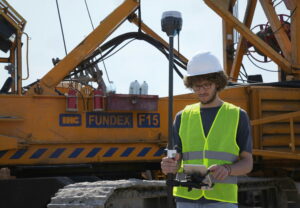
The money — what it’s actually like
This is where all the interest lies, so let’s get down to business.
For example, starting jobs such as trade assistant, camp attendant, or driller’s offsider will most likely fall within the bracket of $80,000 – $100,000 when the allowances from the site are added to the salary. Trades and ticketing jobs like diesel mechanic, electrician, rigger, dump-truck driver, and excavator operator earn salaries of $130,000 – $180,000. Supervisors, specialists, and people with unique tickets earn more than $200,000.
The thing is, those numbers get bandied about quite often, and they are very much true, but it is not the full story. You’re often working 12-hour shifts, sometimes seven days a week during your swing, so a chunk of that pay is genuinely earned through hours, not magic. Divide it by the actual hours worked, and it’s a very good hourly rate, but it’s not “easy money.”
I also underestimated how much of that first paycheck disappeared. New boots, thermals, a decent kit bag, phone credit for a site with a patchy signal, and honestly just splurging because I finally had money—it adds up fast. My first bit of advice to my younger self: open a second bank account before your first swing and get money moving into it automatically the day you get paid. Out of sight really does mean out of mind.
The rosters—and why “long vacations” is a bit of a simplification
People love saying FIFO workers get half the year off. Technically true for some rosters, misleading for others.
The common patterns you’ll come across:
- 8 days on, 6 days off (8/6) — a classic, though a few big miners have been shifting away from it toward longer stretches
- 2 weeks on, 1 week off (2/1) — one of the most common in mining
- 14 days on, 7 days off (14/7) — increasingly common; some major companies moved to this from 8/6 in recent years
- 4 weeks on, 2 weeks off (4/2) — common for expat or long-haul roles, tougher on relationships
- Even time (like 2 weeks on, 2 weeks off) — more common in Queensland coal and some gas roles
The “long vacation” bit is real for even-time and 2/1 rosters, but your days off aren’t quite a holiday. You spend the first day or two just decompressing and catching up on sleep. And if you’re trying to be there for your loved one, get some work done, cut the grass, and find some time to decompress before you head back to the airport, then you’re experiencing not a vacation but a super-charged long weekend.

A day on site, roughly
I get up sometime between 4:30 a.m. and 5:30 a.m. Breakfast in the mess (the food is genuinely better than people expect — most camps have decent kitchens these days). Pre-start meeting where the supervisor runs through the plan and any safety issues. Then a 10 to 12 hour shift, a break for a hot lunch, more shift, knock-off, dinner, maybe the gym or the rec room, and then bed early because 4:30 am comes fast.
It’s repetitive by design. This is the very thing that a number of individuals either love or hate — there is nothing confusing about how your schedule will pan out, and some people find this oddly comforting.
Mistakes I made (in order to save you from making them yourself)
I selected the wrong roster based on where I was at in life. I chose a 4/2 roster since the pay was more attractive but did not think that four weeks away was going to take its toll on a newly formed relationship.
I was unprepared for the weather conditions. Arrived at a Pilbara summer without any suitable sun protection equipment and spent my first week there feeling very unhappy. Wearing a wide-brimmed hat, wearing sunglasses, and wearing light and loose clothing is not an alternative there.
I said yes to everything. Extra shifts, roster swaps, covering for mates — good for the wallet short term, terrible for burnout long term. Fatigue in this industry isn’t a joke; it’s the reason sites take fatigue management seriously, with mandatory rest breaks and limits on consecutive night shifts.
I ignored the mental health side for way too long. Being away from home messes with people differently. Some thrive on the routine; others really struggle with the isolation, especially over longer rosters. If that’s you, organizations like Mates in Mining and Beyond Blue have resources specifically aimed at FIFO workers, and most sites now have an employee assistance program you can call, confidentially, at 2 am if you need to. Use it. There’s zero shame in it—half the camp has probably called it at some point too.
How to actually apply — step by step
This is the part people get stuck on, especially with no industry experience. Here’s the order that actually works.
Step 1: Get your basic tickets sorted first.
Almost nothing gets you shortlisted without these. At minimum:
- White Card (general construction safety induction)
- Working at Heights
- Confined Space Entry (for a lot of roles)
- First Aid certificate
Most of these can be done online or in a single day through a registered training organization, and a few RTOs bundle them together for a better price. Budget somewhere around $800 to $1,500 for the full set. You’ll usually earn that back in your first pay cycle.
Step 2: Build a resume that speaks FIFO, even with no site experience.
Worked in a warehouse? That’s manual handling and shift-work experience. Done with hospitality? That’s teamwork under pressure and comfort with long, physical days—camp and kitchen crews love that background. Frame whatever you’ve got in those terms instead of leaving your resume blank on relevant experience.
Step 3: Register with labor hire agencies, not just job boards.
A huge chunk of FIFO hiring goes through agencies rather than direct company applications. Registering with a couple of the major players—WorkPac, Chandler Macleod, Programmed, Hays, and One Key, to name but a few—means you’re dealing with several mining sites at once rather than applying for one job after another.
Step 4: Put alerts on Seek, Indeed, and LinkedIn.
Use phrases such as “FIFO trade assistant,” “FIFO without experience,” or the particular ticket that you have. New roles get posted constantly, and being one of the first applicants genuinely matters for entry-level positions.
Step 5: Get your medical and police checks sorted before you need them.
Pre-employment medicals (including drug and alcohol testing) and a national police check are close to universal requirements. Book them early so that you don’t become the candidate who becomes close to being offered a job but ends up holding up proceedings for two weeks due to all the paperwork.
Step 6: While doing the interview, make sure to emphasize safety and reliability.
The recruiters from this field are looking out for two key aspects in candidates: one being whether you have the ability to follow the safety measures without taking any shortcuts and, second, whether you can stick to your roster.
Step 7: Once an offer comes through, make sure to inquire about the roster, camp, and flights before accepting.
Where do you fly from? Is the accommodation single rooms or shared? What is the true list, not merely “FIFO”? These are not rude questions; they are common questions, and a good recruiter should be able to answer them properly.

There are two fast real-world examples
A mate of mine, mid-20s, single, no mining background, got his White Card and First Aid done in a week, registered with two labor hire agencies, and had his first trade assistant gig within about a month. He picked a 2/1 roster on purpose because he wanted regular time back home to keep training for a hobby he was serious about.
Another person I worked alongside, a mum of two, deliberately avoided the higher-paying 4/2 roles and took a lower-paying 8/6 position instead, purely so she wasn’t away from her kids for more than a week at a time. Same industry, completely different roster decisions, both the right call for their own situation.
Common mistakes you should avoid
- Chasing the highest-paying roster without thinking about what it actually costs you at home
- Skipping the budgeting conversation with yourself (or your partner) before your first swing
- Assuming one bad site or one bad swing means FIFO isn’t for you—sites and crews vary a lot
- Not researching the specific camp and site conditions before accepting an offer
- Treating your days off purely as recovery time and never actually planning anything, which can quietly tip into isolation over a few years
conclusion
FIFO isn’t a trick or a shortcut for you to become successful, and it isn’t some brutal grind either—it’s just a genuinely different way of structuring your working life, and it suits some people far better than others. The pay is real, the time off is real, but so is the fatigue, the distance from home, and the adjustment period nobody really warns you about.
If you’re on the fence, get the tickets sorted, get registered with a couple of agencies, and try one swing before you make any big life decisions around it. You’ll know pretty quickly whether it’s your thing. It took me exactly one swing to know it was mine—it turned out that early morning in the Perth terminal was the start of something I ended up genuinely enjoying, mess hall food and all.